How to Get Enough Zinc as a Vegan
When you think of nutrients that may be tricky to get enough of as someone who doesn’t eat any animal foods, your mind may go to vitamin B12 and calcium. You might even think of omega-3s. But what about zinc?
What is Zinc?
Zinc is a nutrient and essential mineral that is involved in many different body functions related to growth and cellular metabolism. We need it for proper growth, adequate wound healing, a strong immune system, and more.
How Much Zinc Do We Need?
Zinc requirements vary by age and sex. Adult women need 8 milligrams of zinc per day (increases to 11 milligrams during pregnancy and 12 milligrams during lactation), and adult men need 11 milligrams of zinc per day.
You can review the full table of recommended dietary allowances for zinc on the NIH website. This NIH Office of Dietary Supplements website is a great one to go to anytime you need to look up quick information on nutrients (rather than Googling!).
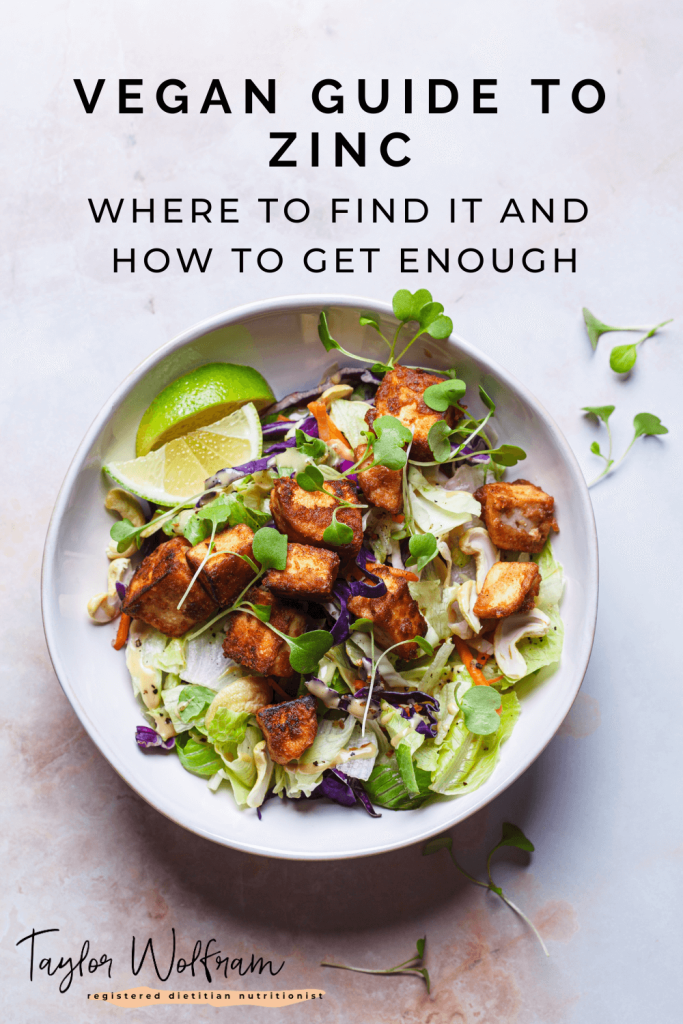
Where Do Vegans Get Zinc?
Zinc is present in many different plant foods, especially legumes, nuts, seeds and whole grains.
Here is a selection of vegan foods and their zinc content.
Legumes:
- ½ cup firm tofu – 2mg
- 2oz red lentil penne – 2mg
- 2oz chickpea penne – 2mg
- ½ cup cooked chickpeas* – 1.3mg
- ½ cup cooked lentils – 1.3mg
- ¼ cup roasted peanuts – 1.2mg
- ½ cup edamame – 1mg
- ½ cup tempeh – 0.9mg
- ½ cup cooked kidney beans* – 0.9mg
- 2 tbsp peanut butter – 0.8mg
- ½ cup canned kidney beans* – 0.6mg
- ½ cup canned chickpeas* – 0.4mg
*Eating beans cooked from dried provides more zinc than eating canned beans; though canned beans are significantly more convenient and still very nutritious (please eat canned beans rather than eat no beans!).
Nuts:
- ¼ cup roasted cashews – 1.9mg
- ¼ cup pecans – 1.2mg
- ¼ cup roasted almonds 1.1mg
- 2 tbsp almond butter – 1.1mg
- ¼ cup walnuts – 0.9mg
Seeds:
- 2 tbsp hemp seeds – 2mg
- 2 tbsp sunflower seed butter – 1.6mg
- 2 tbsp pumpkin seeds – 1.3mg
- 2 tbsp chia seeds – 1.1mg
- 2 tbsp sunflower seeds – 0.8mg
- 2 tbsp flaxseed – 0.6mg
Grains:
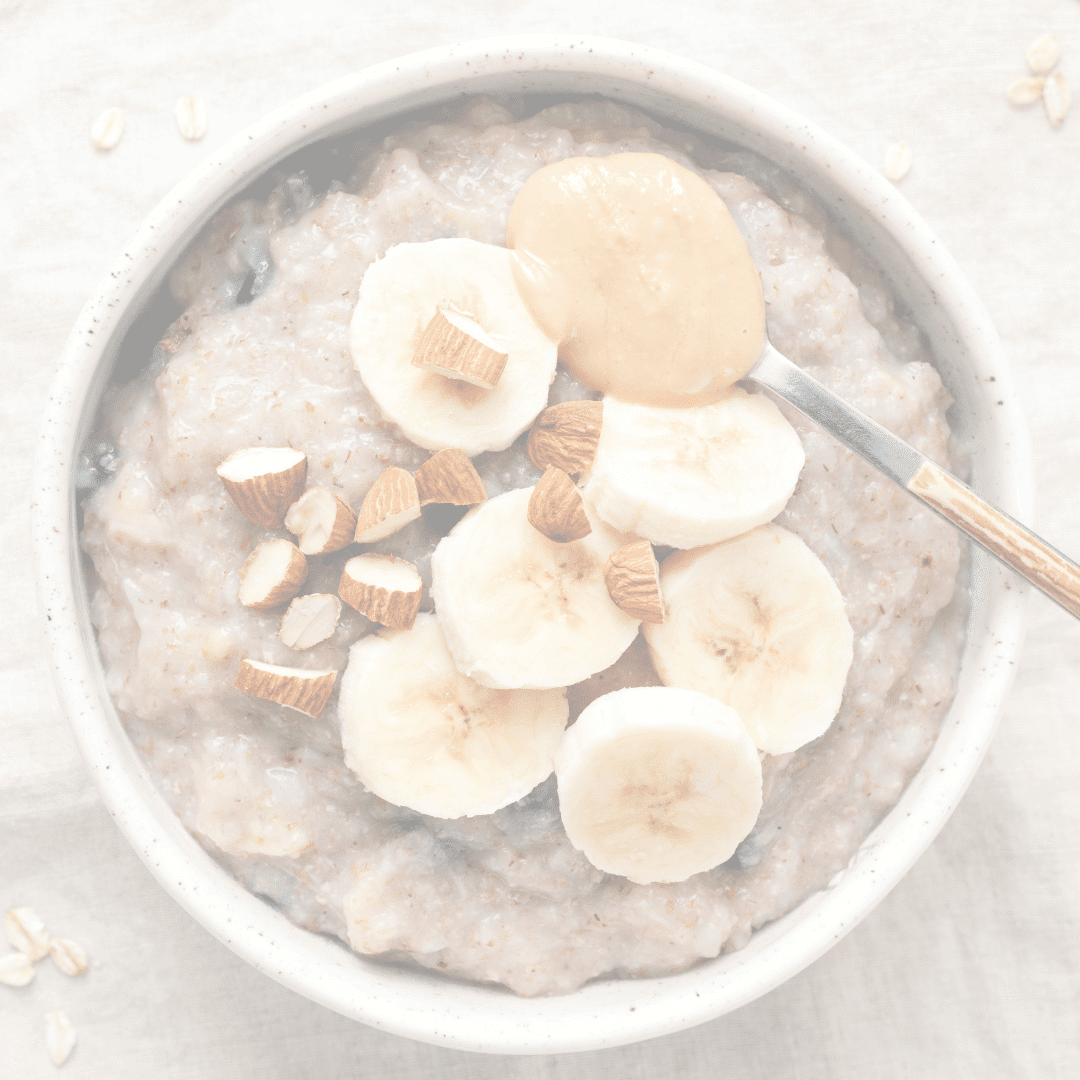
- 1 cup cooked oatmeal – 2.3mg
- ½ cup dried oats – 1.5mg
- 1 cup cooked whole-wheat penne – 1.3mg
- 1 cup cooked quinoa – 1mg
- 1 cup frozen corn – 1mg
- 1 slice commercial whole-wheat bread – 0.6mg
- 1 cup canned corn – 0.5mg
- 1 cup cooked white penne – 0.5mg
This information comes from the USDA’s FoodData Central, which is the most reliable place to look up nutrient content of foods (rather than Googling or an app).
How Can Vegans Get Enough Zinc?
As you can see from the list of plant foods above, it’s important to consume several servings of key legumes, nuts, seeds, and grains daily in order to get enough zinc.
Even so, many plant foods contain phytate, which makes it harder for our bodies to absorb zinc. This means vegans probably need to consume extra zinc in order to ensure we’re absorbing as much as we need (similar to iron).
There is some evidence that vegans may not get enough zinc.
Do Vegans Need a Zinc Supplement?
As a vegan registered dietitian, I am not ready to say that all vegans automatically need to supplement with zinc. However, I don’t think it’s a bad idea to take a vegan multivitamin that contains some zinc (or a modest zinc supplement on its own, with other supplements the individual needs to take), especially if someone isn’t eating plentiful amounts of zinc-containing plant foods.
I do believe that vegans who are undereating due to food insecurity, dieting, disordered eating, an eating disorder, or any other reason, are almost certainly falling short on zinc and should consider a supplement.
When reviewing the latest research on zinc and vegans in 2025, Jack Norris, RD, a long-time vegan nutrition expert and creator of VeganHealth.org, said that vegans should probably be supplementing with zinc. He recommends supplementing with 50% to 100% of the RDA of zinc daily (4-8 milligrams for women and 5.5-11 milligrams for men).
As with all dietary supplements, discuss your individual situation and nutrient needs with your registered dietitian!
Vegan Nutrition Counseling
As registered dietitians who specialize in plant-based nutrition, we provide personalized assessment of your health and nutrition and customized food and supplement recommendations.
Come see us for expert vegan nutrition guidance!
Vegan Nutrition Course
Not able to work with us for one-on-one counseling? Join us in our vegan nutrition online course!
This one-of-a-kind course hones in on exactly what vegans need to know about nutrition and how to get enough nutrients through food, fortified foods and beverages, and dietary supplements.
And, it delivers practical advice and strategies for building tasty and nourishing vegan meals and snacks, plus tips for eating well as a vegan when you’re not at home.

Hi there!
I'm Taylor
Registered dietitian and Certified Befriending Your Body Teacher.
I specialize in disordered eating recovery, body image, and vegan nutrition.
I specialize in disordered eating recovery, body image, and vegan nutrition.
Recent posts
Previous Post
How to Recognize Diet Culture in Vegan Spaces and What to Do About It
Next Post